Recent Post

Why Children Develop Intuitive Number Sense Through Dice Play ...
Early childhood development relies heavily on tactile experiences to bridge the gap between concrete objects and abstract concepts. Standard dice games provide a uniquely effective medium for introducing young minds to basic numerical relationships without creating academic stress. By engaging in repetitive, hands-on play, kids naturally build foundational mathematical confidence long before they encounter formal classroom testing.
The Cognitive Power of Subitizing
Subitizing refers to the brain's ability to instantly recognize a small group of objects without manually counting each one individually. The standardized dot patterns on a die allow children to visually associate geometric arrangements directly with numerical quantities. Over time, this immediate mental processing strengthens visual memory and accelerates basic arithmetic fluency.
When a child rolls a five, they do not need to count each dot one by one once subitizing develops fully. Instead, their brain identifies the pattern as a singular conceptual unit representing the number five. This fluid visual recognition frees up mental space for more complex reasoning tasks later on.
Connecting Physical Action to Abstract Concepts
Rolling physical dice gives children a tangible sense of how quantities function in real space. Moving a game token forward based on the numbers rolled creates a concrete connection between written numbers, verbal counts, and physical distance. This multi-sensory feedback helps reinforce the foundational principles of early mathematics.
Understanding numbers through active play creates an environment where learning feels rewarding rather than intimidating. Parents looking to engage in interactive online platforms, like those accessed via m88 login, understand how structured digital interfaces complement practical offline activities. Experiencing numbers through physical touch ensures that young learners internalize basic math principles more deeply.
Building Mental Addition and Subtraction
Multi-dice games naturally introduce young players to the mechanics of mental addition and number combination. Rolling two dice requires children to sum the values quickly to determine their next strategic move on the board. This ongoing practice builds intuitive mental calculation skills far more effectively than traditional flashcards.
As children grow more comfortable, they begin recognizing complementary number pairs that sum to target values like ten. They learn to break numbers apart and recombine them effortlessly during active gameplay. These informal calculations lay a durable foundation for future algebraic thinking and problem-solving techniques.
Developing Strategic Decision-Making and Risk
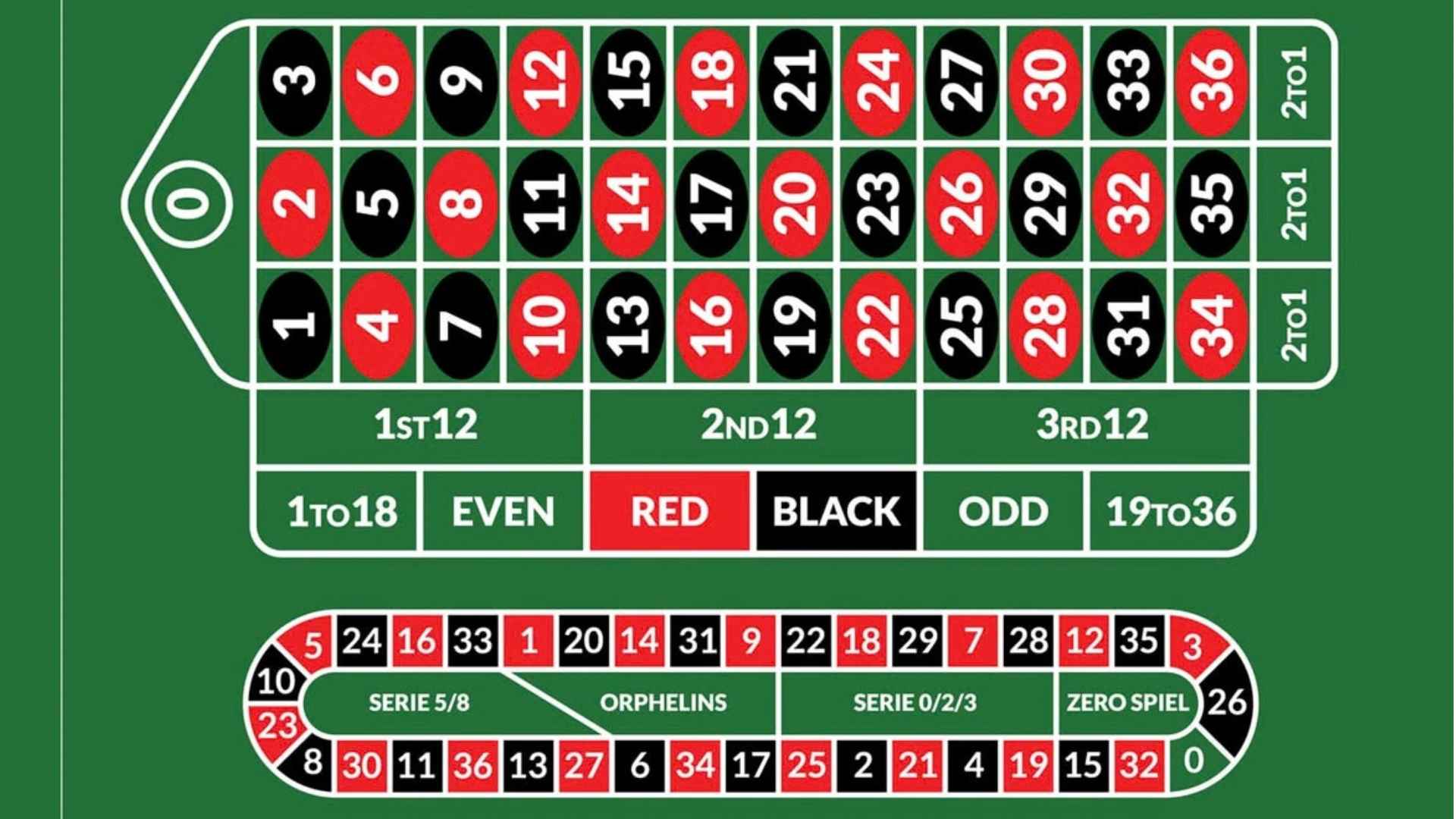
Beyond basic arithmetic, dice games teach children how to evaluate probability and assess simple strategic risks. Choosing whether to hold a score or roll again introduces the fundamental concept of mathematical uncertainty in a safe environment. Children learn to anticipate different outcomes based on calculated likelihoods rather than pure guesswork.
This early exposure to risk management fosters critical thinking skills that extend far beyond mathematical applications. Learning to handle unfavorable rolls helps young players build emotional resilience and adaptable problem-solving strategies. Consequently, dice play serves as a well-rounded tool for both intellectual and personal development.

Best Gaming Websites in The World ...
Gaming Website List
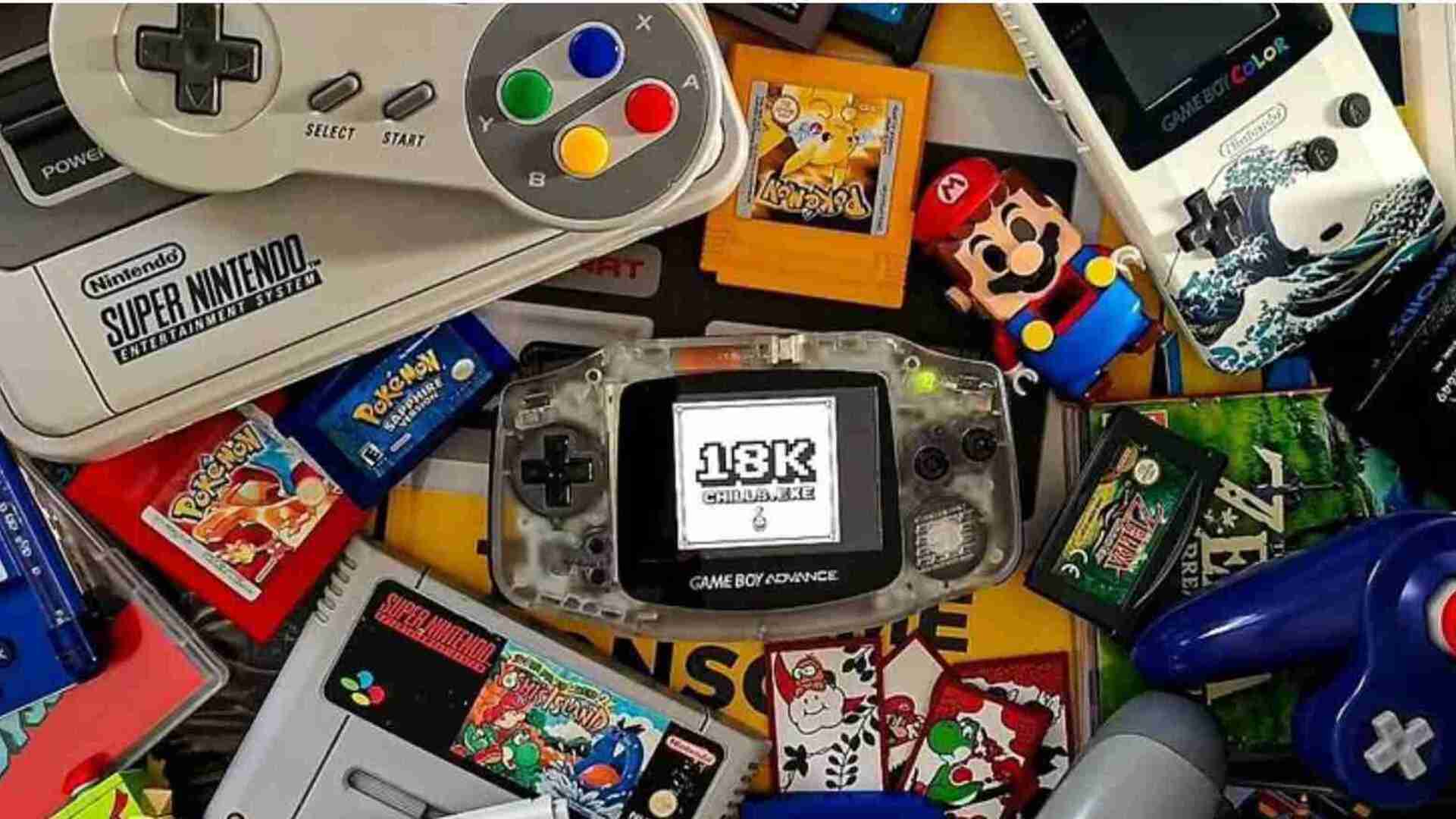
For gamers seeking the ultimate destination to stay updated on the latest releases, industry scoops, and in-depth reviews, platforms like IGN, GameSpot, and Polygon stand out as the absolute best gaming news websites on the internet. These trusted hubs deliver everything from breaking news and hardware analysis to exclusive gameplay previews and vibrant community forums, ensuring that enthusiasts never miss a beat in the rapidly evolving world of interactive entertainment.