Multiplayer Games with Dynamic Team Objectives
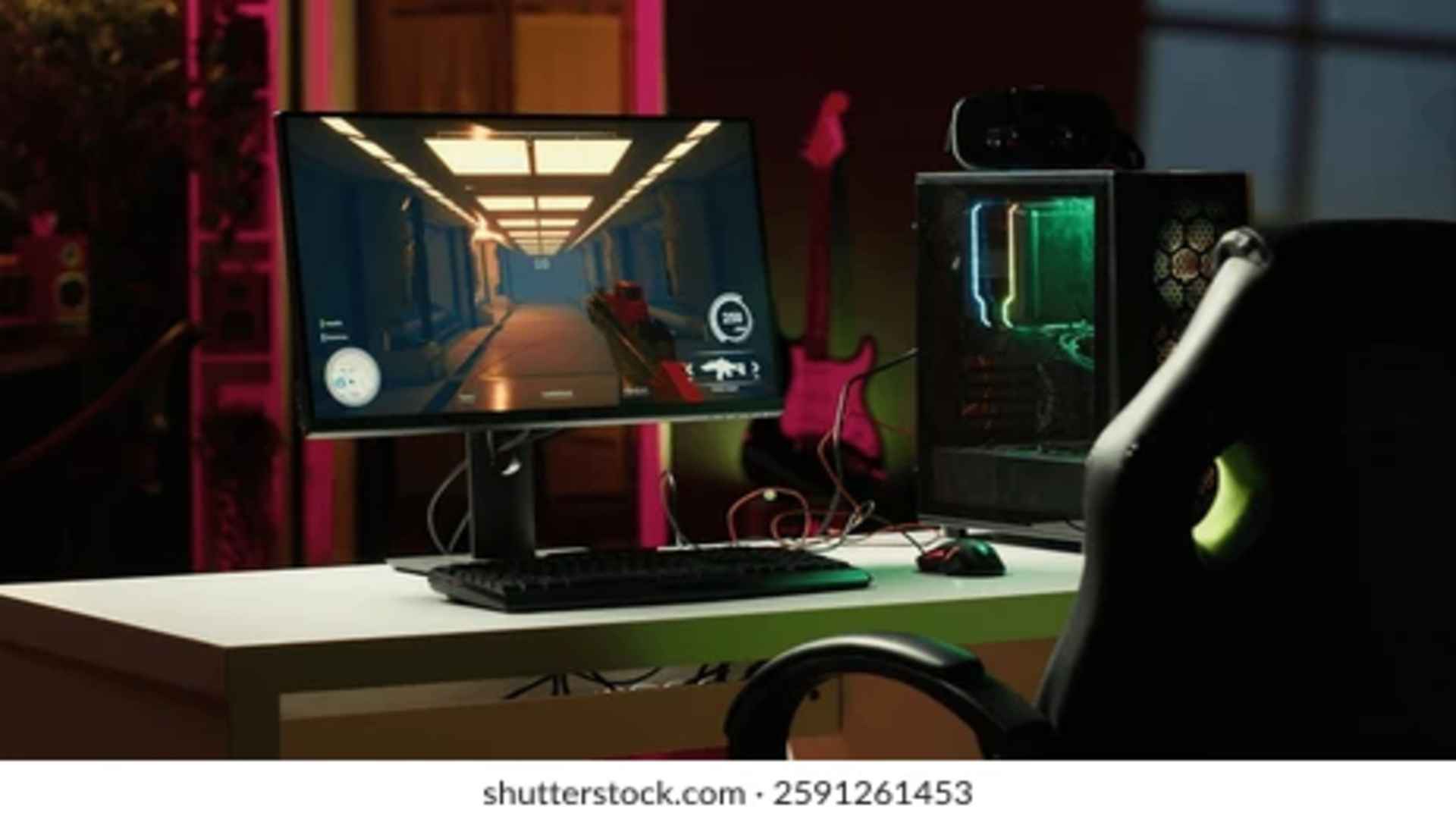
The modern landscape of online multiplayer games is undergoing a profound shift away from static victory conditions toward highly fluid environments. Today, players actively seek out cooperative challenges that evolve in real time based on their collective choices and ongoing match progression. This structural evolution ensures that every virtual session remains completely unpredictable and deeply engaging for global communities.
The Evolution of Adaptive Live Lobbies
Traditional multiplayer matches often rely on fixed goals such as capturing a single flag or defending a specific zone until a timer runs out. However, modern game developers are increasingly implementing adaptive systems that completely alter mid-game missions based on live performance data. This paradigm shift requires participating squads to maintain high cognitive flexibility and modify their approaches instantly to achieve success.
When tactical objectives shift dynamically during gameplay, teams can no longer rely on memorized map routes or rigid character playbooks. Instead, individuals must communicate continuously and redistribute responsibilities on the fly as new environmental threats emerge. This highly fluid setup transforms standard digital matches into complex strategic scenarios that thoroughly test true team synergy.
Enhancing Communication and Shared Strategy
Achieving collective victory in these unpredictable virtual environments demands a high degree of mutual trust and seamless coordination among participants. Groups must analyze shifting battlefield conditions together, making rapid collective decisions to counter automated system adjustments efficiently. To discover interactive platforms that host these advanced cooperative systems, you can check out the latest updates at Mansion Sports for detailed industry insights. Utilizing these specialized hubs connects enthusiasts to modern systems designed to enhance player participation across different gaming styles.
Active dialogue becomes absolutely essential when in-game goals transform mid-match from defensive positioning to aggressive resource gathering. Teams that successfully master this level of collaborative flexibility consistently outperform opponents relying purely on fast individual reflexes. Consequently, these dynamic experiences serve as excellent digital tools for developing critical interpersonal problem-solving capabilities.
Balancing Mechanics for Diverse Skill Levels
Designing balanced matchmaking systems for games with changing goals presents a unique challenge for modern development studios. The software must accurately gauge team performance and adjust the difficulty of new objectives to maintain an optimal flow state. If the shifting goals become too punishing, casual players may feel overwhelmed, while static challenges might bore seasoned veterans.
When executed correctly, these responsive mechanics create a fair playing field where diverse strategies can successfully coexist. Players are encouraged to experiment with unique character classes and specialized tools that complement their partners' strengths. This careful balance ensures that everyone can find their footing and enjoy the distinct thrills of collaborative victory.
Sustaining Long-Term Engagement Through Variance
The primary driver behind the longevity of modern cooperative games is the immense replay value generated by unpredictable mission paths. When the shared digital ecosystem regularly introduces unexpected tasks, participants rarely experience the exact same match layout twice. This constant sense of discovery prevents the core gameplay loop from becoming repetitive over extended periods of time.
Furthermore, these dynamic frameworks allow live-service teams to seamlessly introduce seasonal events and thematic updates without altering the foundational code. Embracing shifting goals keeps active online communities passionate, connected, and eager to log in daily. Ultimately, the future of digital entertainment belongs to living virtual worlds that adapt alongside the players inhabiting them.